Miami-Dade County
Bal Harbour
Bal Harbour is a small village at the northern tip of the Miami Beach barrier island, with the Atlantic Ocean to the east, Biscayne Bay to the west and an open-air shopping center on Collins Avenue. It incorporated in 1946 and reincorporated in 1947, on land that developer Robert C. Graham began turning from swamp into a community in the 1930s.
The name combines letters from bay and Atlantic. Haulover Inlet, a channel at the northern end, marks the village edge, Surfside lies to the south, and Collins Avenue (State Road A1A) is the main road.
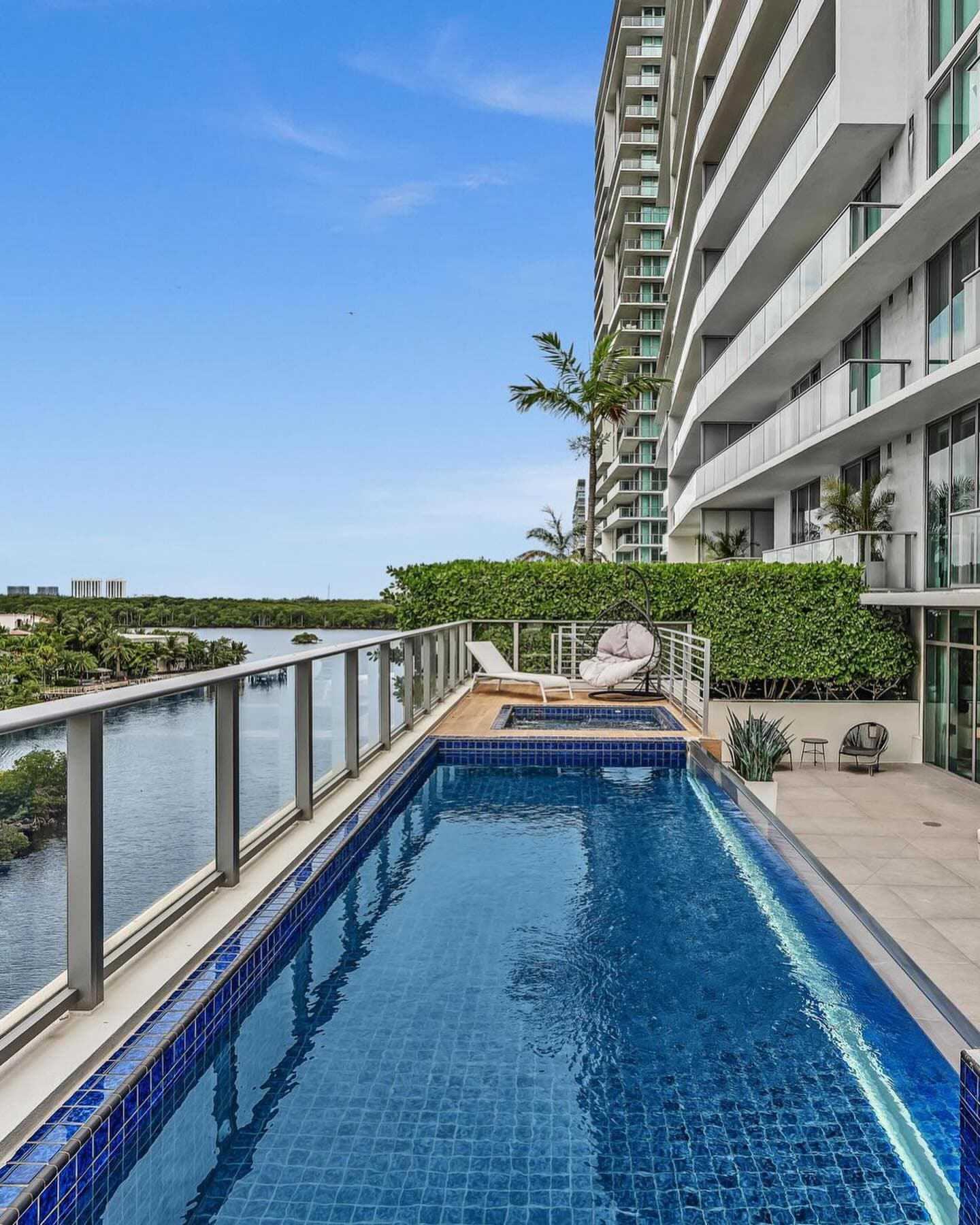
The village describes its housing as homes and condominiums, and oceanfront towers line the beach, including the St. Regis Bal Harbour Resort and Oceana Bal Harbour, close to Bal Harbour Shops. Before you buy, it pays to look closely at the association, the building’s inspections, the flood zone and the rental rules.
What the homes are like.
Oceanfront condominiums and resort residences
Condominium and resort towers frame the beachfront along Collins Avenue. The St. Regis Bal Harbour Resort, which opened in 2012 on the former Sheraton hotel site, includes private residences and condominium-hotel suites alongside the hotel, and Oceana Bal Harbour is another named oceanfront condominium. Rivage Bal Harbour, designed by Skidmore, Owings & Merrill and developed by Related Group and Two Roads Development, is under construction at 10245 Collins Avenue, according to the developer, so confirm the delivery schedule with the developer.
Homes away from the oceanfront
The village’s own description refers to homes as well as condominiums, so detached homes exist alongside the towers, and their lot sizes, elevations and flood zones vary. When a property touches the water, ask for the survey, elevation certificate and any seawall or dock details, and confirm what the village allows for renovation or rebuilding.
How price tiers tend to work
Because the village is small, there may be few comparable sales inside a single building, and prices depend heavily on the building, floor, orientation and renovation level. Resort-affiliated residences with hotel services, newer oceanfront construction and detached homes generally sit toward the higher end, while older oceanfront condominiums and smaller units offer more entry points. Compare recent sales in the exact building, not the village as a whole.
What daily life looks like.
Bal Harbour Shops and dining
Bal Harbour Shops, built by the Whitman family, opened in 1965 on the former site of a World War II prisoner-of-war camp and remains an open-air center on Collins Avenue with designer boutiques, department stores and restaurants. The village also lists restaurants ranging from casual to fine dining.
Beach and village parks
The village maintains beach areas in its north and south sections, plus a beach access path at 102nd Street. Bal Harbour Waterfront Park is part of its park system, a recreation center is listed among its capital projects, and the village also hosts community events, a farmers market and cultural programming.
Getting around
Collins Avenue is the village’s main corridor, with Haulover Inlet to the north and Surfside to the south. Most daily trips are by car, so ask each building about parking, valet and guest access. Miami International Airport and Fort Lauderdale-Hollywood International Airport are both a drive away.
Before you commit.
These are notes for buyers, renters and sellers. Rules and costs change, so I’d always confirm the current details for any specific property.
Association approvals and building rules
Some oceanfront buildings run with hotel-style staffing, valet and shared amenities, and associations commonly review buyers and tenants and set detailed rules. Ask for the declaration, rules, current budget, recent minutes and an estoppel certificate. Also find out about the approval process and timeline, move-in and transfer fees, pet and renovation rules, and any resort or hotel-services agreements that affect monthly dues.
Short-term rentals
The village’s published fee schedule lists a Vacation Rental Certificate under Section 21-363 of the village code and a resort tax on rent, which indicates that renting for short stays requires registration with the village. Conditions can change and many buildings prohibit or limit rentals in their own documents, so confirm with the Village Clerk and the association before you count on rental income.
Condo safety laws, inspections and reserves
Florida’s condominium safety laws followed the 2021 Surfside collapse: SB 4-D in 2022, SB 154 in 2023 and HB 913 in 2025, according to the state condominium division. They cover buildings of three habitable stories or more, so ask the association for its latest milestone inspection summary and structural integrity reserve study. Section 718.503 lists those documents among the items resale buyers should receive, and contracts signed after December 31, 2024 carry related language. Have your attorney confirm what applies to the building you are considering.
Flood zones, insurance and new construction
Bal Harbour sits on a barrier island between the ocean and the bay, and Miami-Dade County explains that AE and VE zones are Special Flood Hazard Areas where flood insurance is required for federally backed mortgages. The county offers an online flood zone lookup and a phone line. Ask the association what its master policy covers and get quotes for your own coverage before closing. For new construction such as Rivage, section 718.503 requires a notice that a buyer from a developer may cancel within 15 days after signing and receiving the required documents. Have an attorney review the contract, deposit terms and delivery schedule.
Common questions.
Where is Bal Harbour, Florida?
Bal Harbour is a village in Miami-Dade County at the northern tip of the Miami Beach barrier island, between the Atlantic Ocean and Biscayne Bay, with Haulover Inlet at its northern end and Surfside to the south.
What is Bal Harbour known for?
Mostly for Bal Harbour Shops, an open-air shopping center that opened in 1965, and for the oceanfront resort and condominium towers along Collins Avenue, including the St. Regis Bal Harbour Resort.
Does the St. Regis Bal Harbour include private residences?
Yes. The resort, which opened in 2012, includes private residences and condominium-hotel suites as well as the hotel. Rules, fees and rental options differ by residence type, so ask for the documents that apply to the specific unit.
Are there single-family homes in Bal Harbour?
The village describes its housing as homes and condominiums, so detached homes exist alongside the oceanfront towers. Confirm the property type, lot, elevation and flood zone for any address.
Can you rent a Bal Harbour condo short term?
The village lists a Vacation Rental Certificate and a resort tax on rent in its fee schedule, so registration with the village is part of renting for short stays. Many buildings also limit or prohibit rentals, so check the building’s documents and the village’s current rules.
Do Bal Harbour condo buyers need association approval?
Many oceanfront buildings review buyers, but the requirement is set by each association’s declaration and varies. Ask early about the approval process, timeline and any application or transfer fees.
How do Florida’s condo safety laws affect buying in Bal Harbour?
The inspection and reserve study rules apply to condominium buildings of three habitable stories or more. Ask for the latest milestone inspection summary and structural integrity reserve study, and have your attorney confirm what the association must provide.
Keep exploring.
Let’s look at Bal Harbour together.
Tell me what you’re looking for and I’ll follow up personally. I’m Jessica Sonino, a Realtor® with The Bograd Team.
Sources
- Wikipedia: Bal Harbour, Florida
- Village of Bal Harbour: Community
- Wikipedia: The St. Regis Bal Harbour
- SOM: Rivage Bal Harbour
- Rivage Bal Harbour (developer site)
- Village of Bal Harbour: FY 2026 rates and fees
- Florida DBPR: Condominium safety law timeline
- Florida Statutes 718.503: Condominium disclosures
- Miami-Dade County: Flood zone maps
The information here is general and was researched on October 9, 2026, so please verify the details with the city, the association and your attorney.