Miami-Dade County
Miami Beach
Miami Beach is a chain of barrier and man-made islands between the Atlantic Ocean and Biscayne Bay, where South Beach, Mid-Beach and North Beach each have a different pace, housing stock and street pattern. It was incorporated as a town on March 26, 1915 and became a city in 1917.
South Beach holds the Art Deco Historic District, which was listed on the National Register of Historic Places in 1979, along with Ocean Drive, Collins Avenue and the pedestrian shopping street Lincoln Road. The city also includes bayside islands created by dredging and landfill, such as the Venetian Islands, Sunset Islands, Star Island, Palm Island and Hibiscus Island.
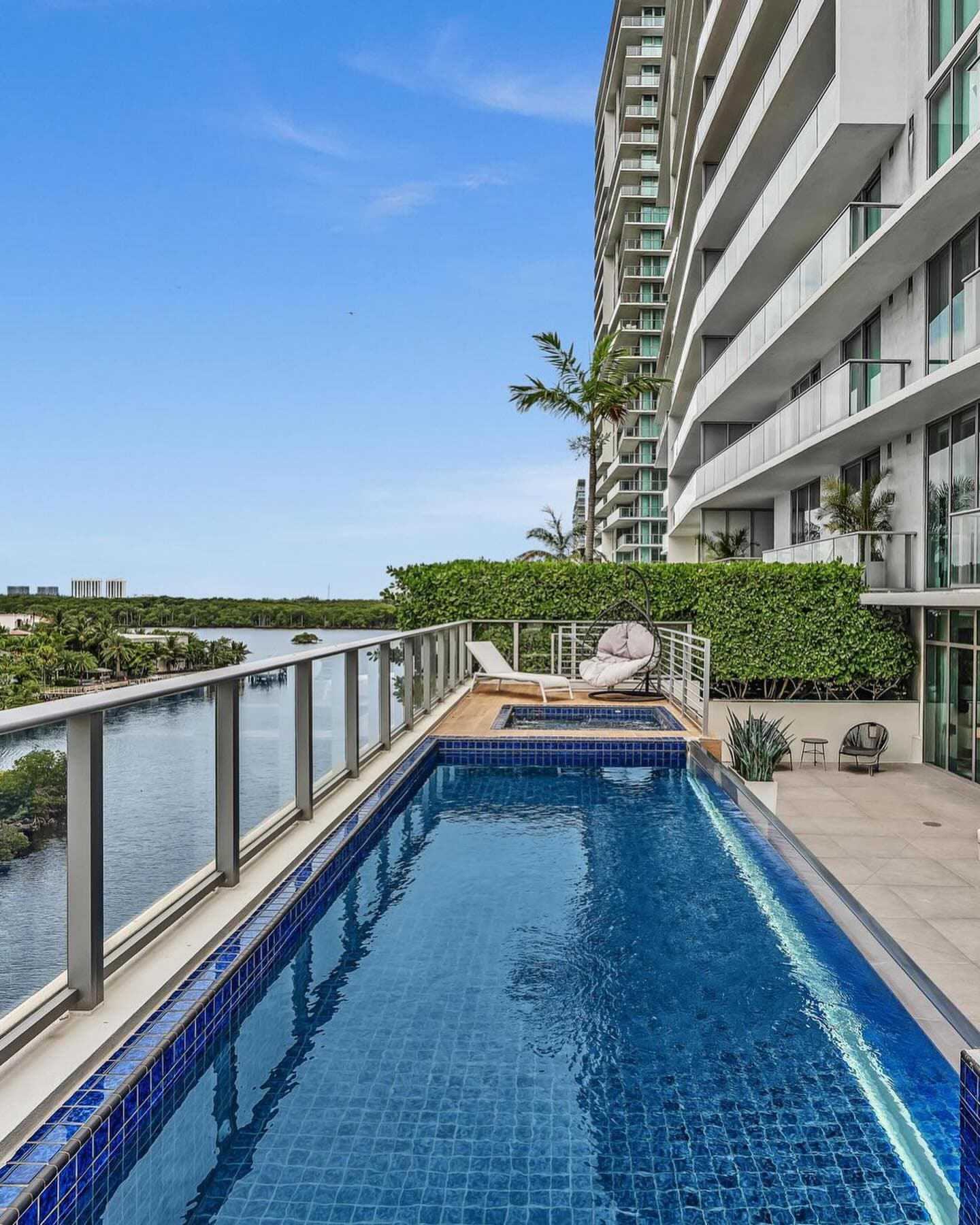
Housing ranges from historic apartment buildings and condominium towers to single-family homes on residential islands. The city also has serious flood-resilience work underway, strict short-term rental limits and many older buildings, and all three matter to buyers.
What the homes are like.
South Beach, Mid-Beach and North Beach
South Beach is the southern part of the island and holds the Art Deco district, while Mid-Beach and North Beach make up the rest, each with its own mix of condominium buildings, apartment buildings and houses. Ocean-facing towers, renovated older buildings and walk-up apartment buildings can sit within a few blocks of each other, so the specific building matters more than the postal code.
The bayside islands
The city’s neighborhood association list includes groups for Palm, Hibiscus and Star Islands, the Sunset Islands, La Gorce Island, the Venetian Islands and several North Beach areas, including Normandy and North Shore. Property types vary by island, and some associations add their own rules or dues, so ask for any governing documents when you review a listing.
How price tiers tend to work
Price tiers vary widely, with oceanfront condominium towers, bayfront island houses and renovated historic buildings generally toward the higher end, while smaller condominium units and older apartment buildings offer more entry points. Because Miami Beach has many older buildings, condition, assessments and inspection history can matter as much as location.
What daily life looks like.
Beach and parks
Lummus Park runs along Ocean Drive in South Beach between 5th Street and 14th Place. The city lists outdoor fitness areas, playgrounds, sand volleyball courts and paved paths for walking or biking there, and the park hosts concerts, marathons and other events. It is open from sunrise to midnight.
Art Deco, Lincoln Road and culture
The Art Deco Historic District includes hundreds of structures built between 1923 and 1943 along streets such as Ocean Drive and Collins Avenue. Lincoln Road is a pedestrian shopping and dining street, and the beachfront and restaurants of South Beach sit within a few blocks of each other.
Getting around
The city runs a free trolley on four routes, the South Beach Loop, Middle Beach Loop, Collins Express and North Beach Loop, seven days a week from 8 a.m. to 11 p.m. Causeways connect the island to the mainland, and many residents also drive, bike or walk, so ask each building about parking and guest access.
Before you commit.
These are notes for buyers, renters and sellers. Rules and costs change, so I’d always confirm the current details for any specific property.
Short-term rental limits
Miami Beach defines vacation or short-term rentals as stays of less than six months and one day, and the city says they are prohibited in all single-family homes and in many multi-family buildings in certain zoning districts. Rentals are allowed only in specific districts shown on the city’s short-term rental zoning map, and approved operators need a Business Tax Receipt, a Resort Tax account and zoning approval. Condominium buildings can be stricter than the city, so check the zoning map, the city’s rules and the association’s documents before buying for rental income.
Condo associations, older buildings and inspections
Many Miami Beach condominium and apartment buildings are older, including Art Deco buildings from the 1920s through the 1940s. Florida’s condominium safety laws, SB 4-D in 2022, SB 154 in 2023 and HB 913 in 2025, apply to buildings of three stories or more, according to the state condominium division. Ask the association for its latest milestone inspection summary and structural integrity reserve study, plus its declaration, budget, minutes and approval requirements for buyers and tenants. Section 718.503 lists the inspection and reserve documents among the items resale buyers should receive, and contracts signed after December 31, 2024 carry related language. Have your attorney confirm what applies.
Flood zones, sea level and resilience work
Miami Beach faces tidal flooding concerns and has been installing stormwater pumps and raising roads. On March 21, 2024, the city announced that its commission had adopted an update to the 2011 Stormwater Master Plan prioritizing $95 million for 20 resilience projects over the next decade. Its resilience strategy also includes a Resilience Code, seawall elevation and private property adaptation. For any property, ask for the FEMA flood zone, an elevation certificate where available, the building’s master insurance coverage and your own flood and wind quotes before closing.
Historic districts, renovations and new construction
Properties in historic districts can face added design review, so ask the city what is allowed before planning exterior changes or major renovations. When buying new construction or a pre-construction unit from a developer, section 718.503 requires a notice that you may cancel within 15 days after signing and receiving the required documents. Have an attorney review the contract, deposit terms and delivery schedule.
Common questions.
Is Miami Beach an island?
Miami Beach sits on natural and man-made barrier islands between the Atlantic Ocean and Biscayne Bay. The city also includes bayside islands such as the Venetian Islands, Sunset Islands, Star Island, Palm Island and Hibiscus Island.
What are the main areas of Miami Beach?
South Beach, Mid-Beach and North Beach are the three main areas of the barrier island, and the bayside islands form additional neighborhoods. Each has a different mix of condominiums, apartment buildings and houses.
Can you do short-term rentals in Miami Beach?
Only in limited places. The city defines a short-term rental as less than six months and one day, prohibits it in all single-family homes and in many multi-family buildings in certain zoning districts, and requires a Business Tax Receipt, a Resort Tax account and zoning approval where it is allowed. Check the city’s zoning map and the building’s rules.
Is there a free trolley in Miami Beach?
Yes. The city runs a free citywide trolley with four routes, the South Beach Loop, Middle Beach Loop, Collins Express and North Beach Loop, seven days a week from 8 a.m. to 11 p.m.
Does Miami Beach flood?
Miami Beach faces tidal flooding concerns, and the city has been installing pumps and raising roads. In March 2024 the city commission adopted an update to its Stormwater Master Plan that prioritizes $95 million for 20 resilience projects over the next decade. Flood exposure varies by block, so check the flood zone and insurance for the specific property.
What is the Art Deco Historic District?
It is a district in South Beach with hundreds of structures built between 1923 and 1943 that was listed on the National Register of Historic Places in 1979, and Ocean Drive and Collins Avenue run through it.
What should I know about buying in an older Miami Beach condo building?
Ask for the latest milestone inspection summary and structural integrity reserve study, the budget and recent minutes, and learn what the association requires of buyers and tenants. Florida’s condominium safety laws apply to buildings of three stories or more, so have your attorney confirm what applies to the building.
Keep exploring.

Let’s look at Miami Beach together.
Tell me what you’re looking for and I’ll follow up personally. I’m Jessica Sonino, a Realtor® with The Bograd Team.
Sources
- Wikipedia: Miami Beach, Florida
- City of Miami Beach: Vacation and short-term rentals
- City of Miami Beach: Lummus Park
- City of Miami Beach: Citywide free trolley
- City of Miami Beach: Neighborhood associations
- City of Miami Beach: Stormwater master plan update (March 21, 2024)
- Florida DBPR: Condominium safety law timeline
- Florida Statutes 718.503: Condominium disclosures
The information here is general and was researched on October 6, 2026, so please verify the details with the city, the association and your attorney.